

THE HUMAN PLANETARY MATRIX
From twelve systems to seven planetary principles
Explore how twelve physiological systems come together through seven classical planetary principles and four elemental mechanisms.

Medical Zodiac begins with the twelve signs of the zodiac. Each sign is associated with a distinct functional system of the human body, creating a twelve-part physiological model.

Medical Zodiac connects twelve zodiac signs with twelve physiological systems. The Human Planetary Matrix brings these correspondences into an integrated view of the organism through seven classical planetary principles and four elemental mechanisms.
Drawing on the classical planetary domicile scheme described by Ptolemy, five planets—Mercury, Venus, Mars, Jupiter, and Saturn—each connect two signs, while the Sun and Moon govern one each. In the author’s symbolic interpretation of physiology, this arrangement becomes five complementary pairs and two organizing centers.


The Seven Planetary Principles
The Human Planetary Matrix draws on the classical planetary domicile scheme described by Ptolemy. The Sun and Moon each rule one sign, while Mercury, Venus, Mars, Jupiter, and Saturn each rule two. The author integrates this historical arrangement with an original classification of physiological functions, connecting twelve systems through seven planetary principles and four elemental mechanisms.

Inspired by the Classical Planetary Rulerships Recorded by Ptolemy.


The Sun
Center · Rhythm · Self-Awareness
The Sun represents the central rhythm of life, conscious direction and the experience of an integrated self.
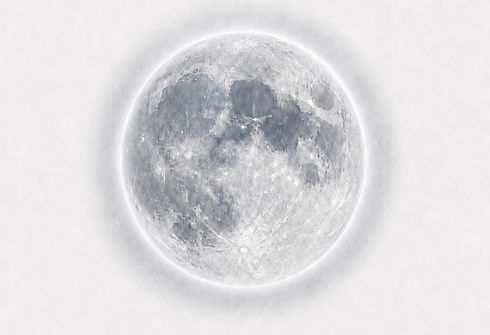
The Moon
Internal Environment · Cycles · Adaptation
The Moon represents the internal environment of the body, its changing cycles and its capacity to receive and adapt.


Mercury
Coordination · Learning · Analysis
Mercury connects movement with thought through the transmission, coordination and analysis of information.
Venus
Perception · Balance
Venus represents sensory perception and the processes that help the organism preserve balance.


Mars
Activation · Transformation
Mars represents the force that initiates action and supports transformation, instinct and the continuation of life.
Jupiter
Renewal · Resources · Protection
Jupiter represents the resources through which the organism renews, nourishes and protects itself.

.png)

.png)
Saturn
Structure · Movement
Saturn represents the body’s physical framework and the organized movement that allows it to act in the world.

One Integrated Organism
Within this framework, the seven planetary principles are considered together, highlighting relationships among physiological systems. Four elemental mechanisms provide another way to explore these connections:
Fire — Activation · Rhythm · Renewal
Earth — Structure · Perception · Analysis
Air — Regulation · Movement · Coordination
Water — Interoception · Transformation · Protection
The Human Planetary Matrix brings twelve functional systems, seven planetary principles and four elemental mechanisms into one integrated organism.


From Physiology to Self-Knowledge
Physiology forms the foundation of the Human Planetary Matrix. Upon this foundation, the framework explores psychological, astrological, cultural and spiritual layers of meaning.
Its imagery brings anatomy into dialogue with planetary archetypes, mythology and the Tree of Life. Within the author’s symbolic interpretation, the seven classical planetary principles correspond to seven sefirot, offering a further perspective on the relationship between bodily life and inner experience.

Could the principles that organize the physical body also help us understand the inner architecture of human life?
The Human Planetary Matrix begins with this question—and invites the reader to explore further.